WATER SOFTENER INSTALLATION & SERVICE
Better Water for Your Home. Less Hard-Water Buildup Everywhere Else.
Austin-area water can be hard on plumbing, fixtures, water heaters, dishes—and homeowners. Pro Veterans Plumbing installs and services residential water softeners designed to reduce hardness minerals and the problems they leave behind.
Master Plumber M-44975
24/7 Emergency Service
Free Estimates
Veteran-Owned & Family-Run
Is Hard Water Leaving Its Mark on Your Home?

SPOTS & SCALE
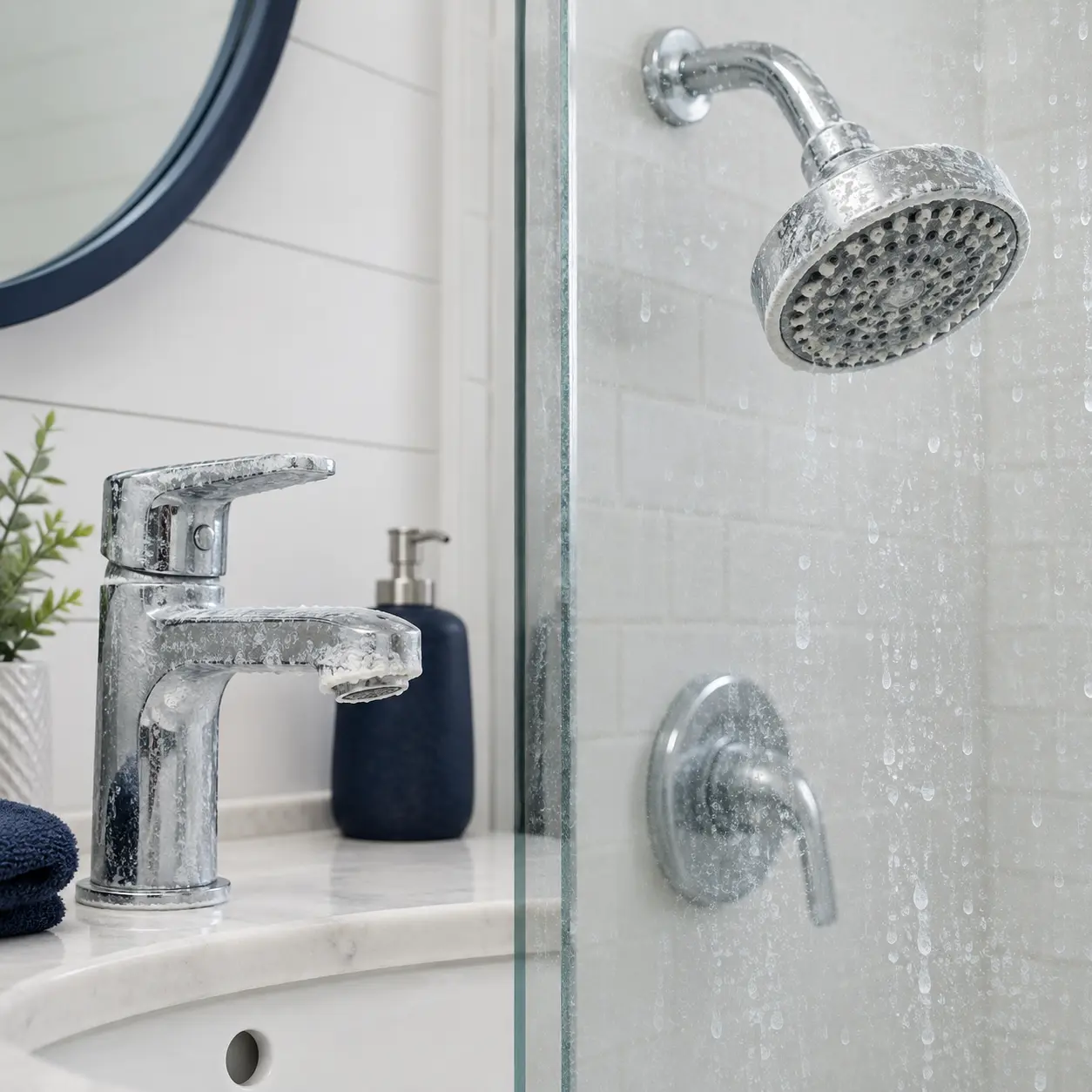
White mineral deposits on faucets, showerheads and glass.
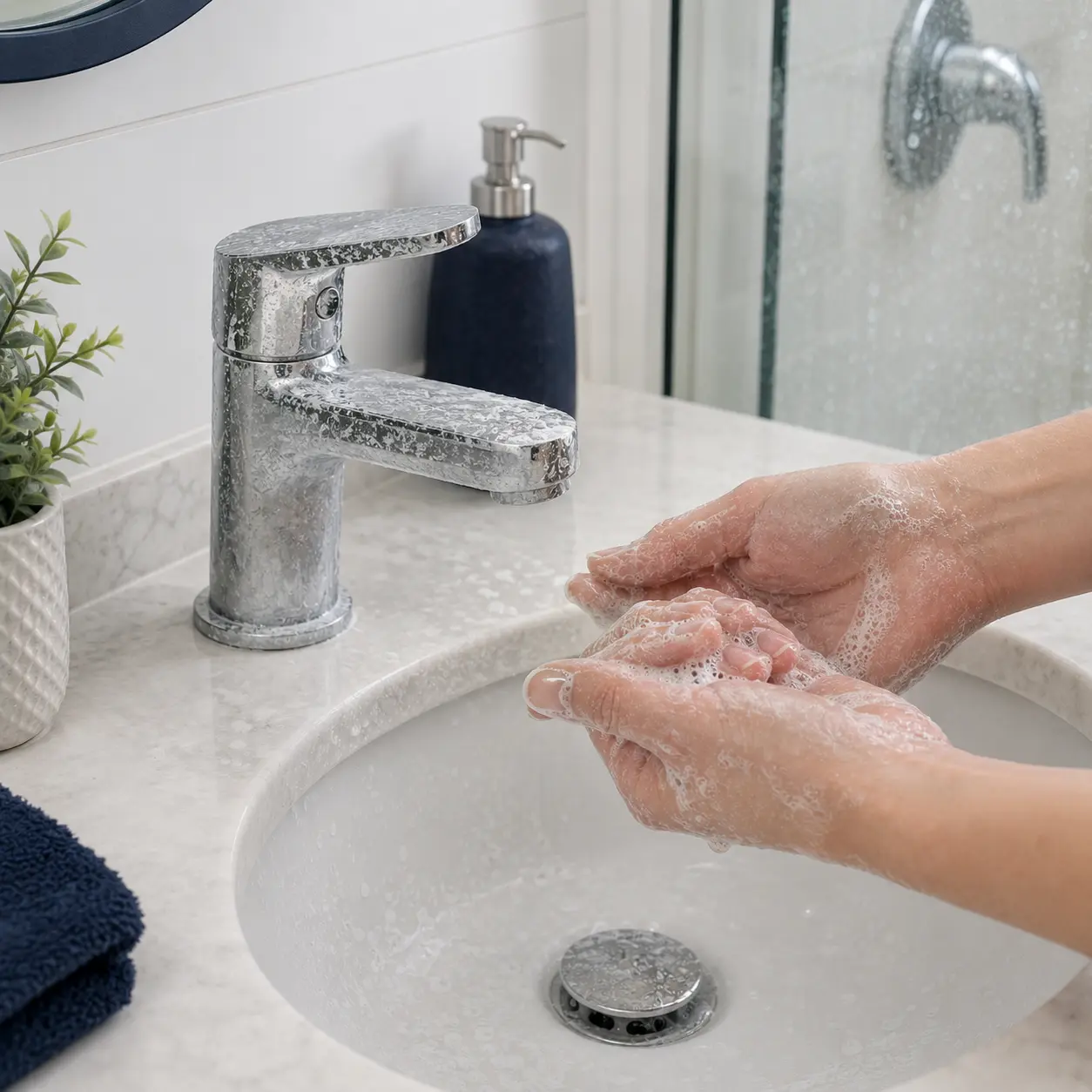
SOAP THAT WON'T COOPERATE
Hard water can make soaps and detergents less effective and leave residue behind.
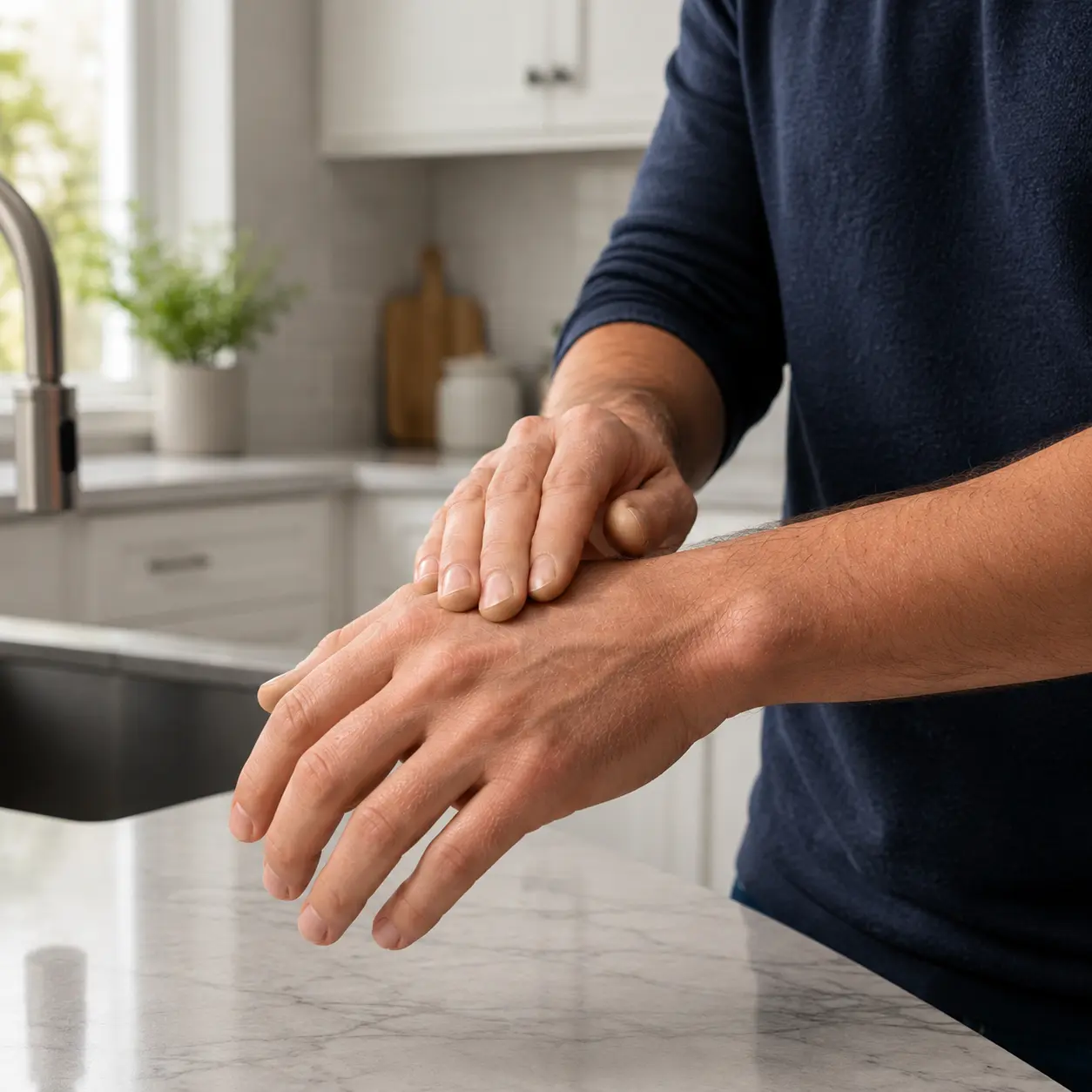
DRY-FEELING SKIN & HAIR
Many homeowners notice the difference in how water feels after hardness is reduced.
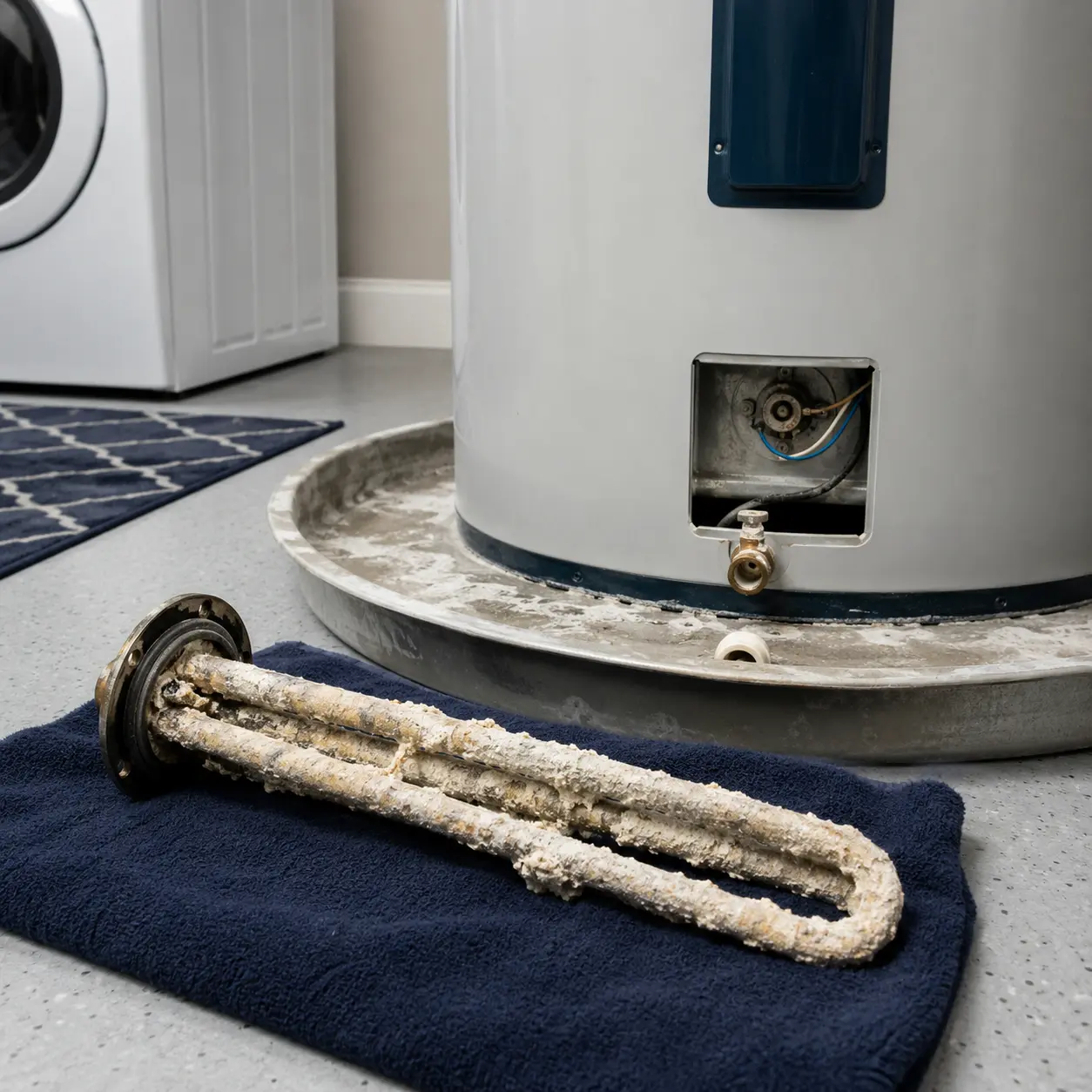
APPLIANCE BUILDUP
Hardness minerals can leave scale and sediment in equipment that heats or uses water.
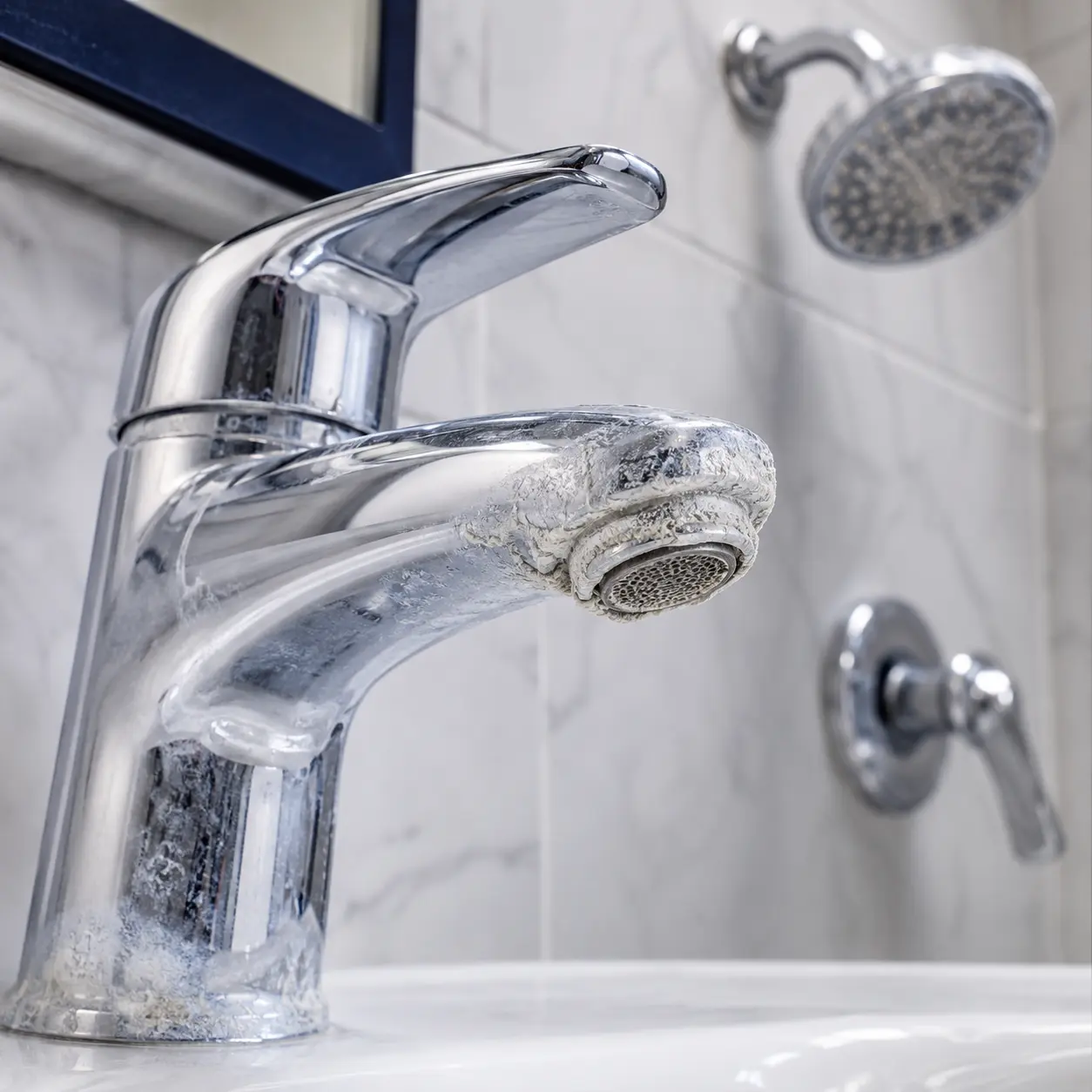
FIXTURE BUILDUP
Aerators, showerheads and other plumbing components can gradually collect mineral deposits.
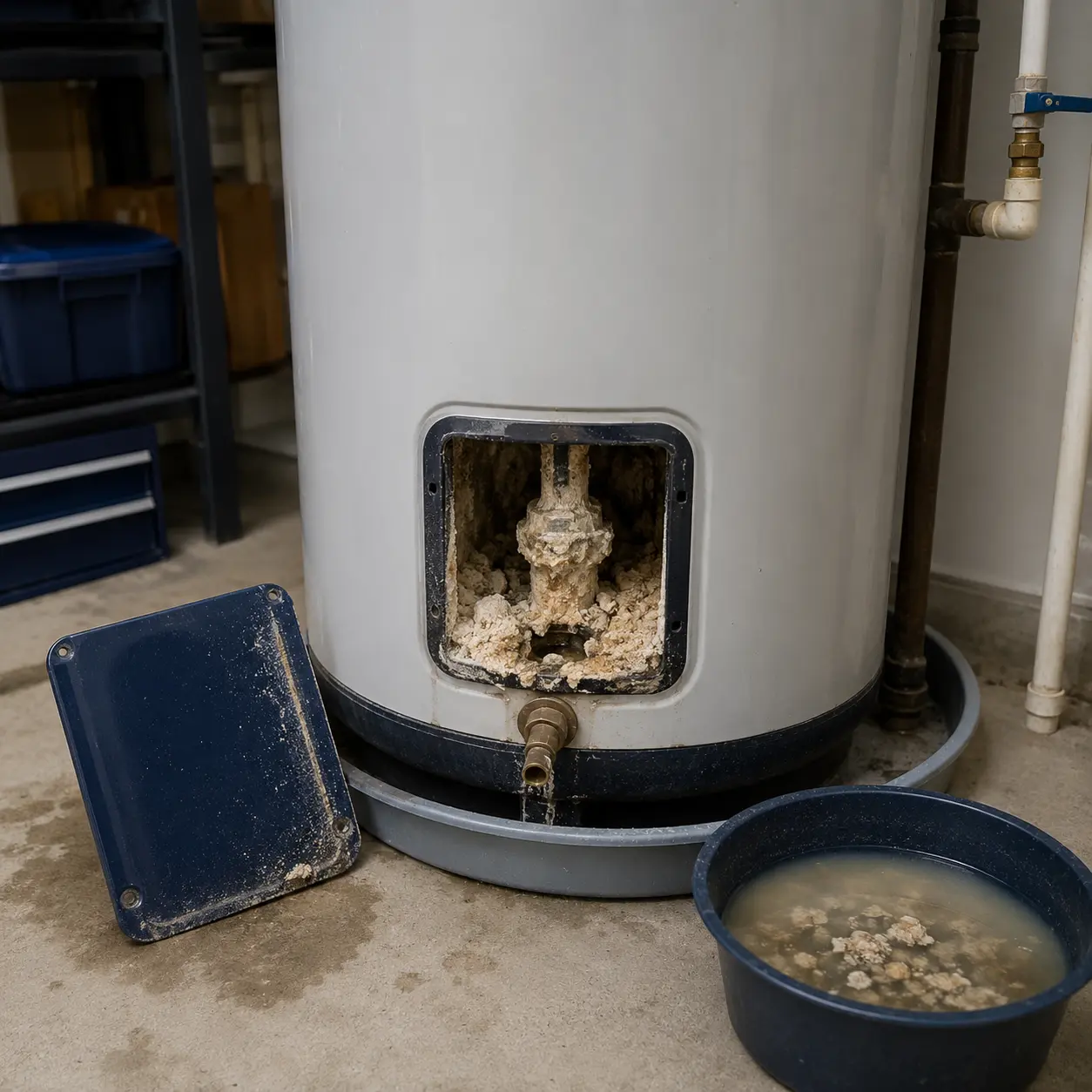
WATER HEATER SEDIMENT
Minerals can accumulate inside tank-style water heaters over time.
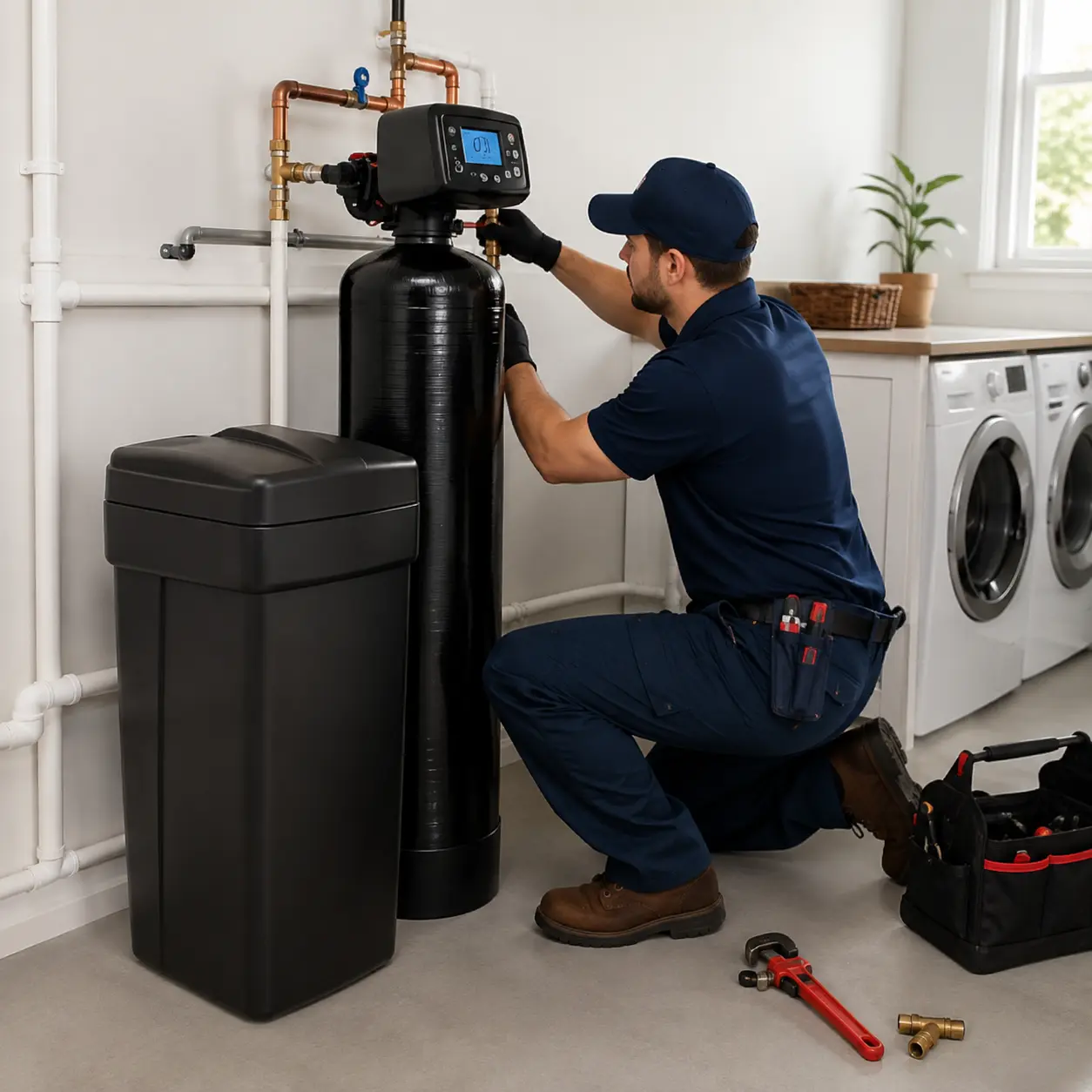
Water Softener Services

Water Softener Installation
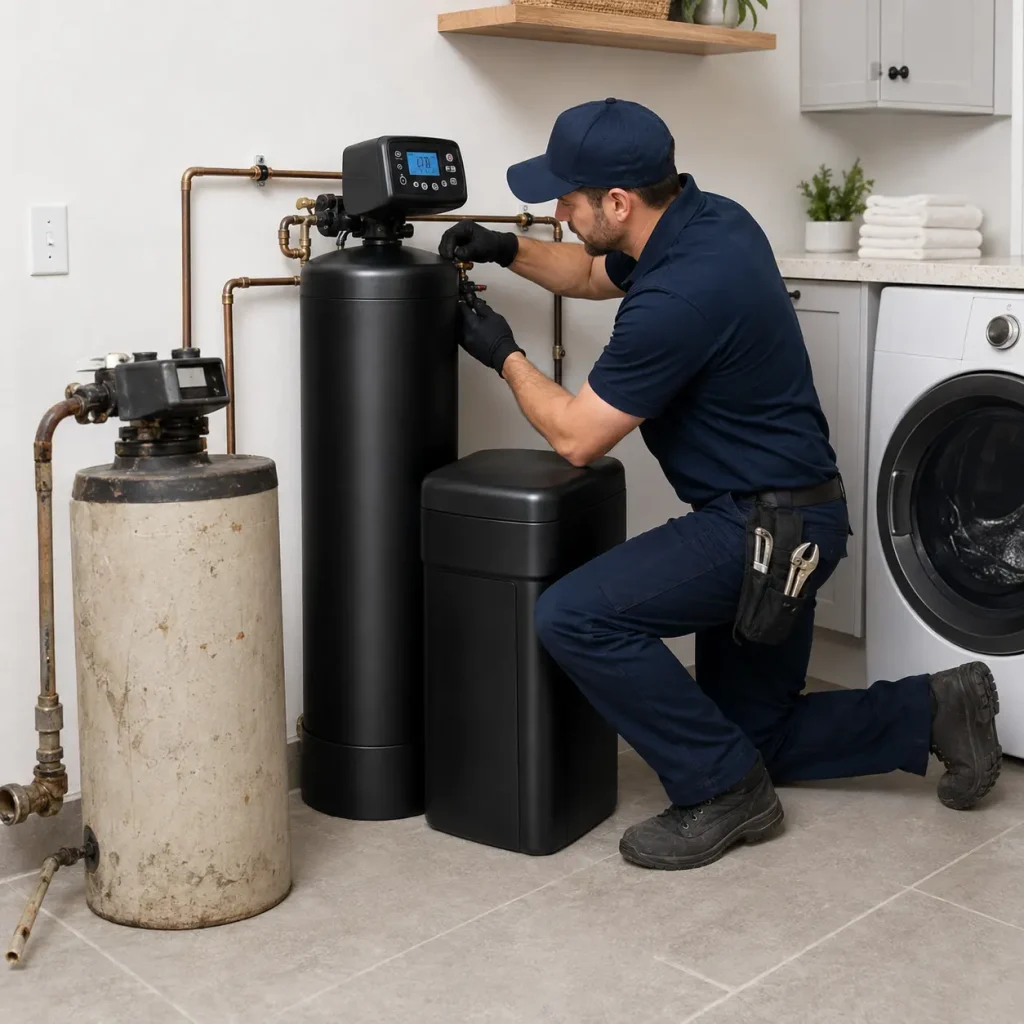
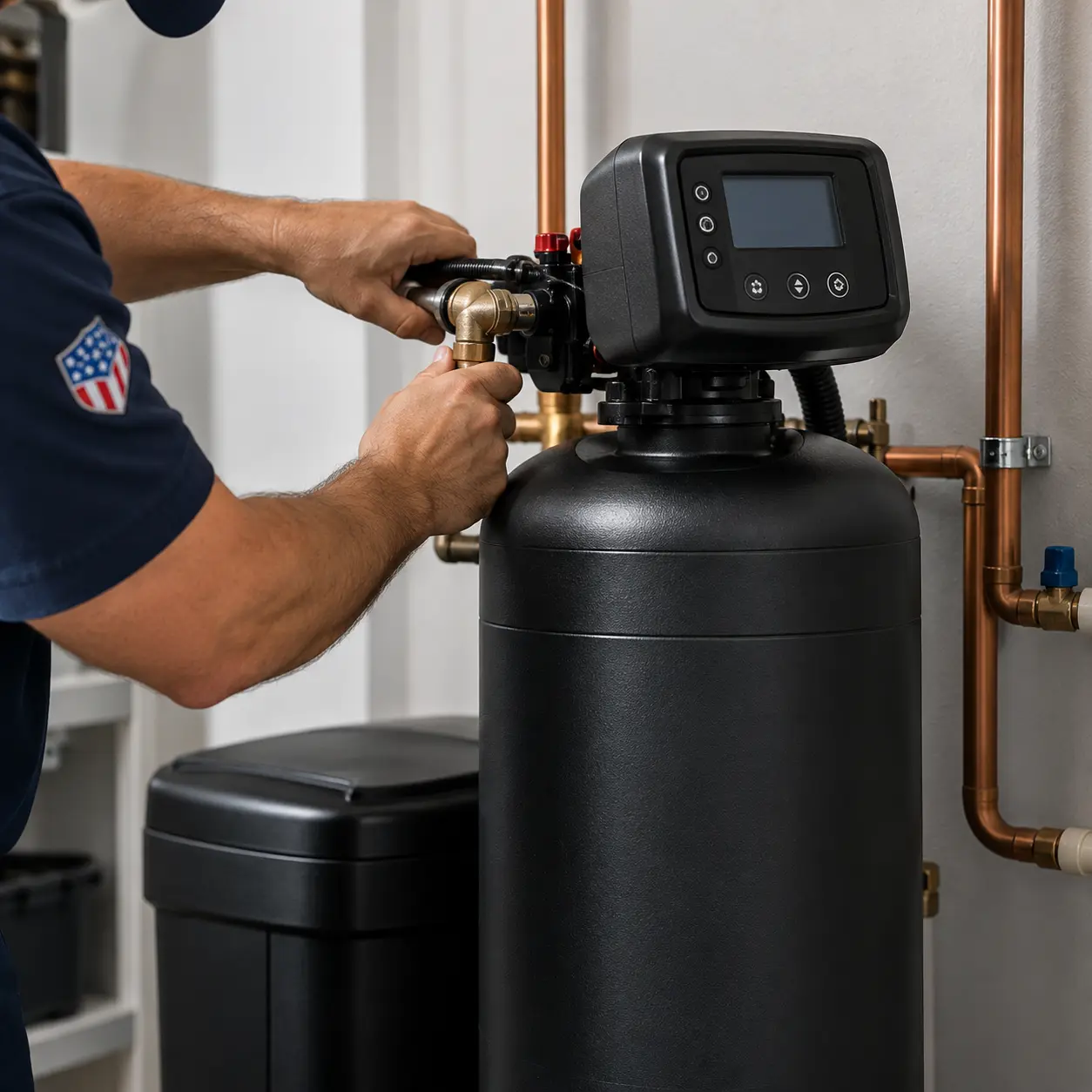
Installing a new system? We'll evaluate the home's plumbing, installation location and household needs and properly connect the new softener to your water supply.

Water Softener Repair & Service
Already have a softener that's stopped working the way it should? We can inspect the system and determine whether the problem can be repaired.
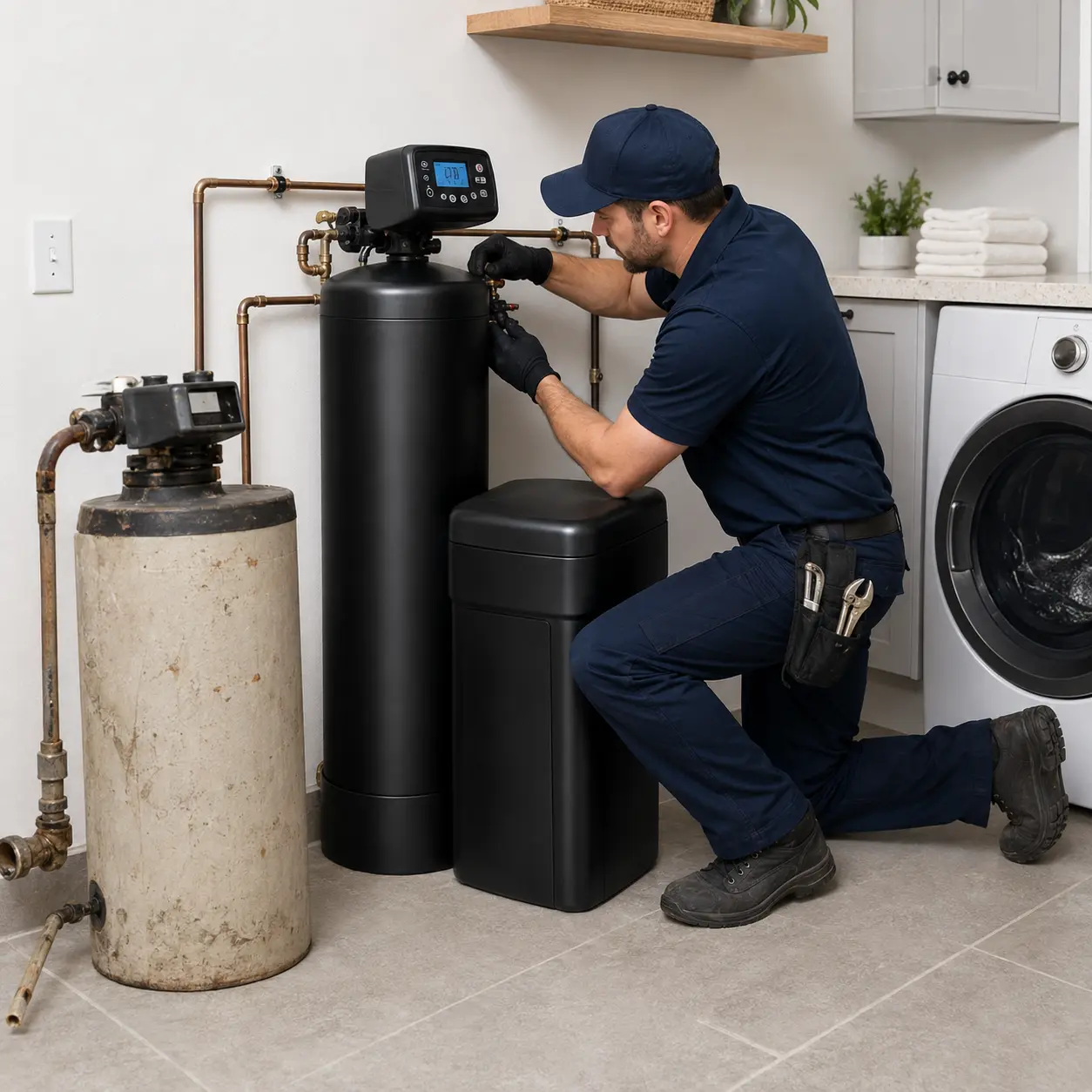
Water Softener Replacement
If an older system is no longer performing properly or doesn't make sense to repair, we can remove it and install a replacement.
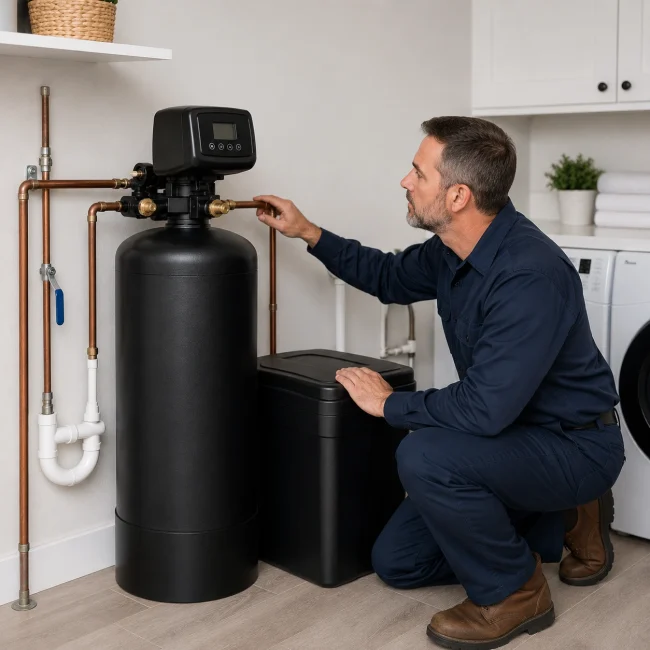
What Does a Water Softener Actually Do?
HARD WATER COMES IN
Hard water contains dissolved minerals—primarily calcium and magnesium.
THE SOFTENER TREATS IT
A traditional ion-exchange water softener removes hardness minerals from the water as it passes through the system.
SOFTENED WATER GOES TO YOUR HOME
The result is water that causes substantially less hardness scale throughout the plumbing system.
Water softening and water filtration aren’t the same thing
A softener is designed primarily to address water hardness. A filtration system targets other water-quality concerns. The right solution depends on what you’re actually trying to change about your water.
Pro V Homeowner Tips
Check Your Salt Level
If you have a salt-based softener, periodically check the brine tank rather than waiting until the system stops producing softened water.
Don't Just Keep Adding Salt
If you're filling the tank but your water suddenly feels hard again, something else may be wrong with the system.
Look for Salt Bridging
Sometimes salt forms a hard crust inside the brine tank, making it look full even though the system can't properly use the salt underneath.
Watch for Hard-Water Symptoms
Spots suddenly returning to glassware, scale around faucets or a noticeable change in water feel can indicate that the softener isn't operating normally.
Protect the Installation Area
If the system is installed where freezing temperatures are possible, the plumbing and equipment need appropriate protection.
PRO V HOT TIP
Your shower door may be one of the easiest hard-water detectors in the house. If stubborn white mineral spotting starts returning after your softener previously kept it under control, check the softener before assuming you suddenly need stronger glass cleaner.
Our 4-Step Softener Process

EVALUATE
We look at your home's plumbing, current equipment and what you're experiencing with the water.
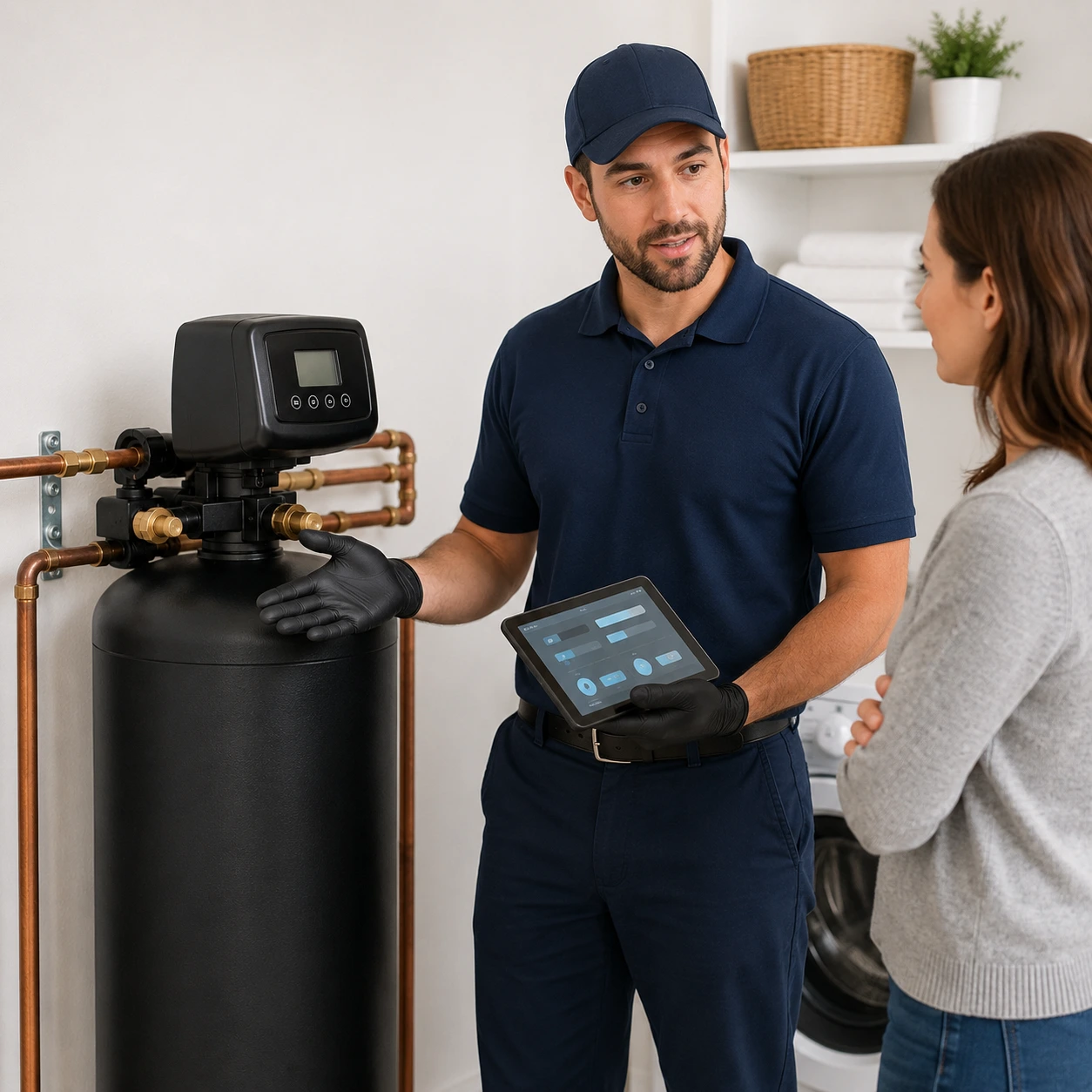
RECOMMEND
We'll explain whether service, repair, replacement or a new installation makes sense.
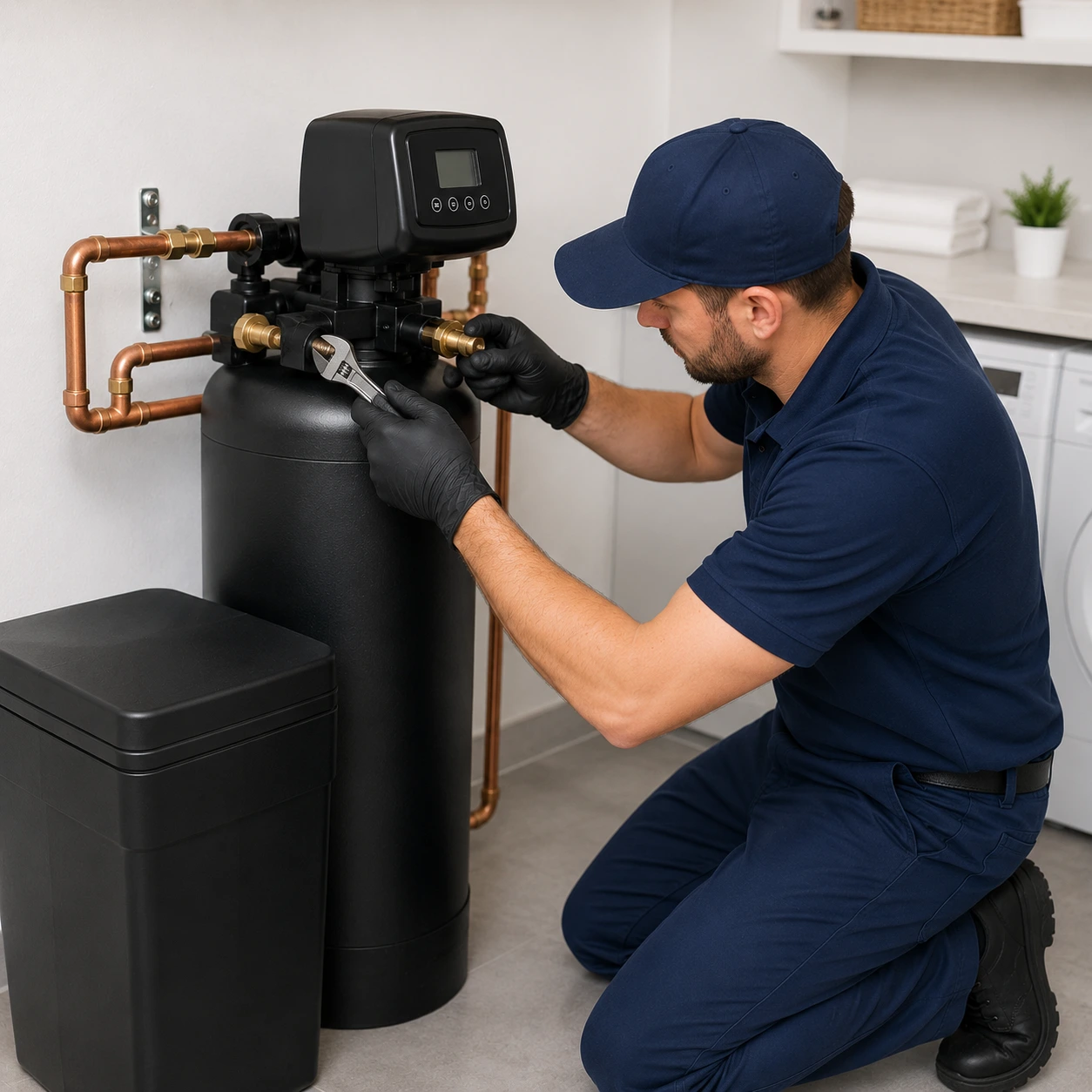
INSTALL OR REPAIR
Our plumbing team completes the approved work and properly connects the equipment to your home's plumbing system.
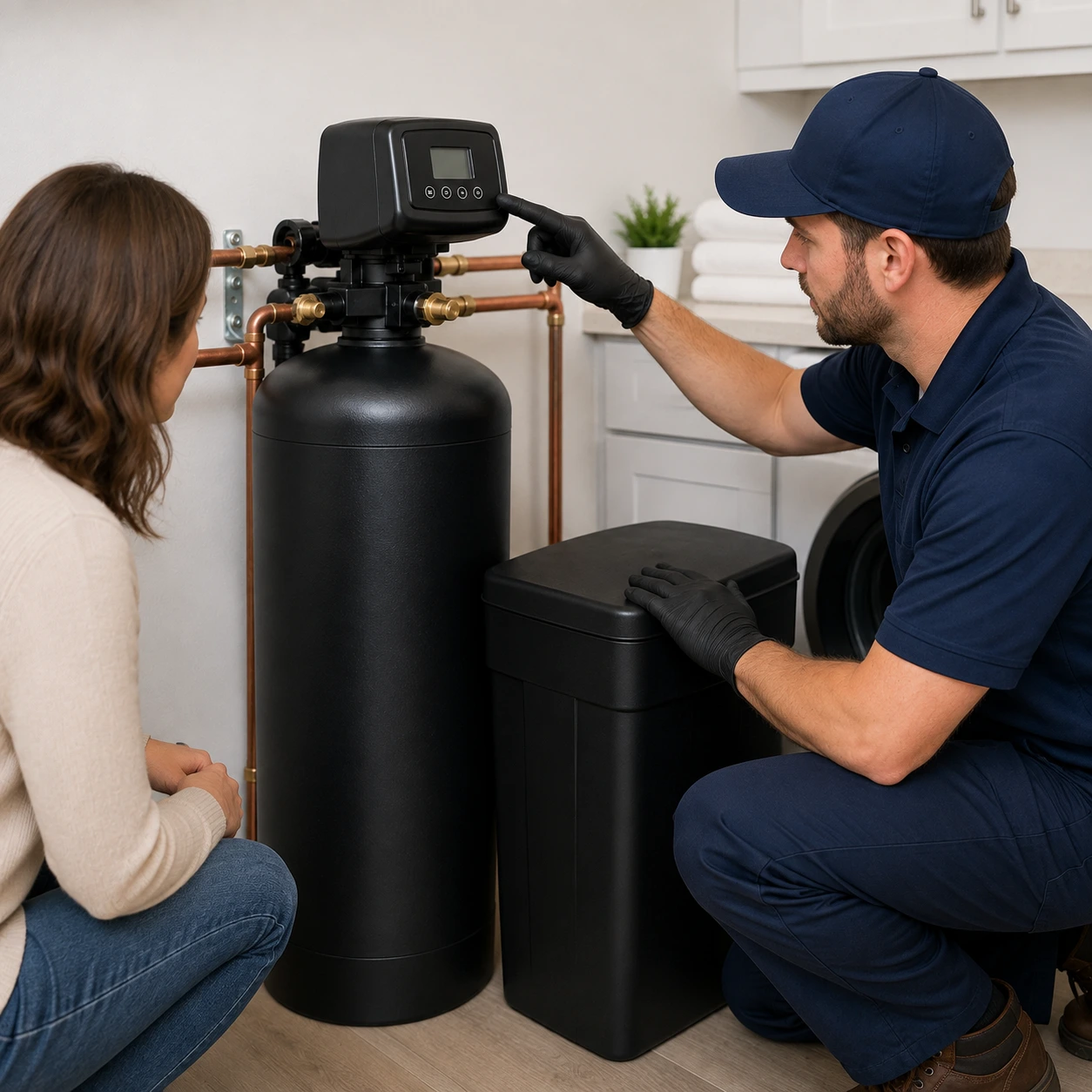
WALK YOU THROUGH IT
We'll explain the basics of operating and caring for your system before we leave.
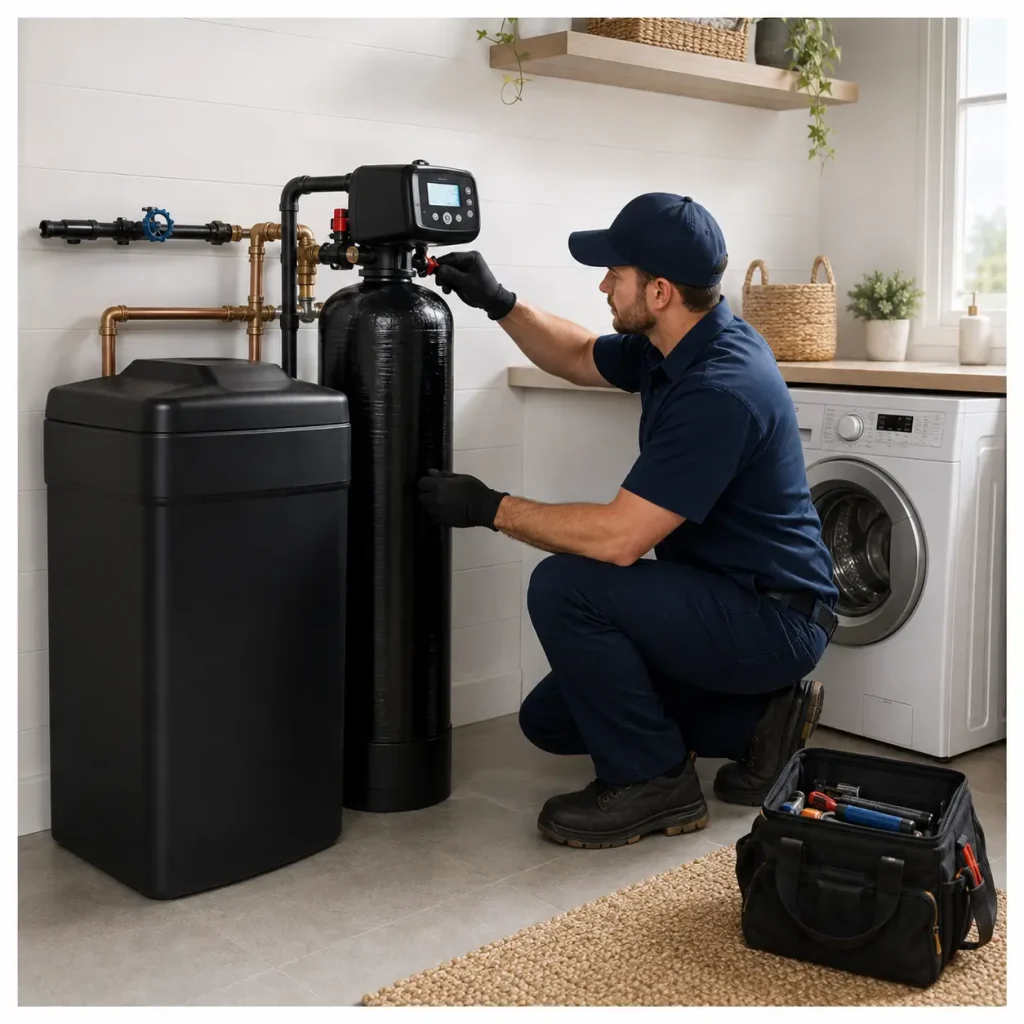
CLEAR ANSWERS ★ PROFESSIONAL WORK ★ NO GUESSING
Repair or Replace Your Water Softener?
Repair May Make Sense When:
✓ The system isn’t excessively old
✓ The problem is isolated
✓ The tank and major components remain sound
✓ The unit is properly sized for the household
✓ This isn’t becoming a pattern of repeated repairs
Replacement May Make More Sense When:
✓ The equipment is significantly aged
✓ Repairs are becoming frequent
✓ Major components have failed
✓ The unit was improperly sized
✓ Household water needs have changed
✓ Repair cost no longer makes sense relative to replacement
Not sure? We’ll inspect the system and give you a straightforward recommendation—not a sales pitch.
The Benefits of Softer Water
LESS SCALE
Reduce hard-water deposits on plumbing fixtures and water-using equipment.
EASIER CLEANING
Less stubborn mineral residue on sinks, faucets, tubs and shower glass.
BETTER SOAP PERFORMANCE
Soap and detergent generally work more effectively in softened water.
HELP PROTECT PLUMBING & APPLIANCES
Reducing scale can benefit equipment and plumbing components exposed to hard water.
HELP YOUR WATER HEATER
Reducing hardness minerals can help limit scale accumulation in water-heating equipment.
SOFTER WATER FEEL
Contact us if you’re planning another residential gas appliance and need the supply requirements evaluated.
Why Pro Veterans Plumbing?
- 20+ YEARS EXPERIENCE
- MASTER PLUMBER RMP 44795
- VETERAN-OWNED & FAMILY-RUN
- HONEST RECOMMENDATIONS
- PROFESSIONAL INSTALLATION
- FREE ESTIMATES
Is Your Water Working?
Signs It May Need Attention
- Hard-water spots have returned
- Scale is appearing around faucets
- Soap isn't lathering like it used to
- Water feels noticeably different
- Salt usage has suddenly changed
- The brine tank isn't behaving normally
- The system isn't regenerating properly
- Water pressure has changed
- The unit is leaking
- The system is older and becoming unreliable
| Your Concern | Typical Solution |
|---|---|
| Hard-water scale | Water Softener |
| Calcium & magnesium hardness | Water Softener |
| Mineral spotting | Water Softener |
| Chlorine taste / odor | Filtration |
| Specific water-quality contaminants | Appropriate Filtration / Treatment |
| Both hardness + other water-quality concerns | Softener + Filtration may be appropriate |
Do You Need a Water Softener, Water Filter—or Both?
Not sure what you need?
Don’t buy equipment based on a guess. Start with the problem you’re trying to solve and, when appropriate, water-quality information or testing. We can help determine what type of plumbing equipment makes sense for your home.
FREQUENTLY ASKED QUESTIONS
Hard water is water with a high concentration of dissolved minerals, mainly calcium and magnesium, picked up as water moves through rock and soil before it reaches your home. Most of the Greater Austin area has moderately hard to very hard water, which is why scale and spotting are so common here.
Yes. Hard water is safe to drink and the minerals in it are not harmful to your health. The problems it causes are practical ones like scale buildup, spotting and reduced soap performance. A water softener addresses those nuisances, not your drinking water’s safety.
The most common signs are white scale on faucets and showerheads, spotting on glassware and shower doors, soap that will not lather well and a filmy feel on your skin after bathing. Buildup inside appliances and water heaters is another indicator. A simple water hardness test measures the exact mineral level if you want certainty.
A water softener removes the hardness minerals calcium and magnesium through a process called ion exchange. It is built specifically for hardness, so it does not filter out chlorine, sediment or other contaminants. Those require a separate filtration system.
A water softener targets hardness by removing calcium and magnesium. A water filter targets other water-quality concerns like chlorine taste, odor or specific contaminants. Many homes only need one, though some benefit from both when they have hard water plus another water-quality issue.
Only if you have more than one water-quality concern. A softener handles hardness and filtration handles things like taste, odor or contaminants. If hard-water scale is your only issue, a softener on its own is usually enough. We can help you figure out which applies to your home before you spend on equipment.
Yes. In hard-water homes, minerals settle out as sediment and scale inside tank-style water heaters over time. That buildup can reduce efficiency and shorten the equipment’s lifespan. Reducing hardness with a softener helps limit one of the main sources of that sediment.
A sudden jump in salt use usually points to a problem with the system rather than normal operation. Common causes include a stuck valve, a control set to regenerate too often or a leak in the brine tank. If your salt consumption changed noticeably without a change in water use, the system should be inspected.
If the salt level in the brine tank is not going down, the most common cause is salt bridging, where a hard crust forms and keeps the salt below it from dissolving. A clog, a faulty float or a control problem can also stop the system from drawing salt. Either way, the softener is likely not regenerating properly and needs a look.
A quality water softener typically lasts around 10 to 15 years, depending on the unit, your water hardness and how well it is maintained. Higher mineral levels and heavy use shorten that range. Regular checks and proper salt levels help you get the most out of the system.
In many cases, yes. If the tank and major components are sound and the unit is properly sized for your home, a repair often makes sense. When a system is significantly aged or repairs are becoming frequent, we will tell you honestly if replacement is the better value. We inspect first and give you a straight recommendation.
Tired of Fighting Hard Water?
Whether you need your current water softener repaired, you’re replacing an aging system, or you’re trying to determine whether a softener is right for your home, Pro Veterans Plumbing can help.
PROUDLY SERVING GREATER AUSTIN AREA
Based in Leander — Serving Northern Travis and Williamson County.